Driveways That Support Vehicle Weight Daily
Concrete Driveways in Griffin for homes needing surfaces that handle turning vehicles, impact from trailers, and exposure to oil and automotive fluids
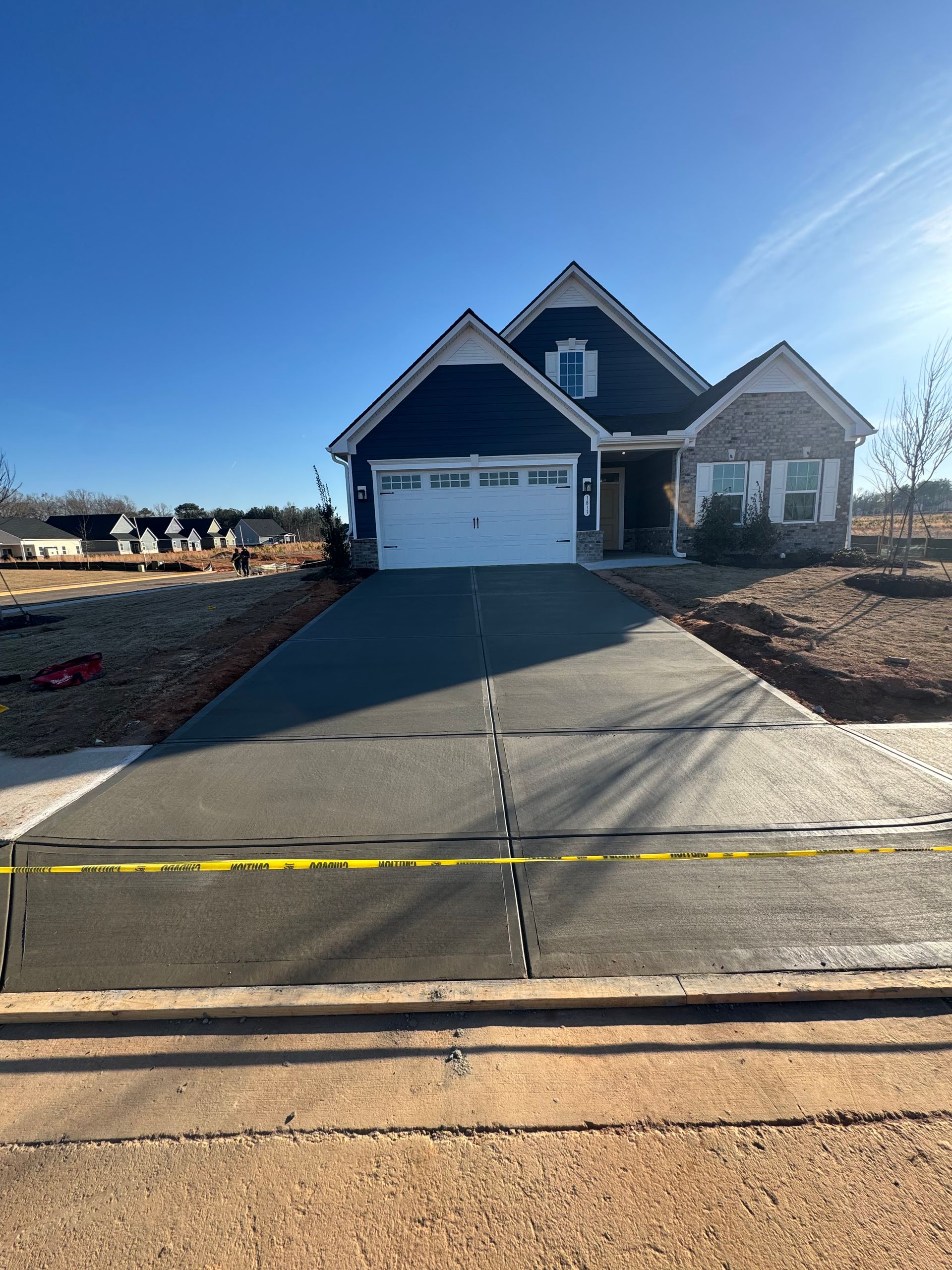
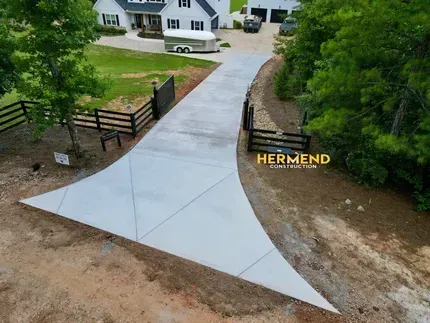
Driveways poured from concrete last longer than asphalt alternatives when installed over properly compacted base material that won't settle unevenly under load. Hermend Construction & Remodeling installs concrete driveways in Griffin where homeowners are replacing cracked or sunken asphalt, building new construction access, or upgrading from gravel surfaces that require constant maintenance. You'll notice the difference immediately—concrete provides a smooth surface that doesn't develop ruts from repeated tire tracking and doesn't require periodic resurfacing like asphalt does.
Installation begins with excavating to depth, then building up layers of compacted aggregate that distribute vehicle weight across the subgrade without creating pressure points that cause cracking. The concrete thickness and reinforcement get specified based on whether the driveway serves standard passenger vehicles or heavier trucks and equipment. Proper slope ensures water runs off toward drainage areas rather than pooling near the garage or freezing in low spots during winter.
Arrange an on-site consultation to measure your driveway area and evaluate current drainage patterns.
How Concrete Driveways Address Load Stress
The installation process accounts for how vehicles apply concentrated weight through tires, especially during turning maneuvers that create lateral stress. Reinforcement placement within the concrete slab resists tensile forces that would otherwise cause cracking from the bottom up as vehicles pass over. Expansion joints between the driveway and garage floor or sidewalk connections allow independent movement without transferring stress between separate concrete sections.
Once the concrete cures fully, your driveway supports vehicle weight without deflecting, maintains a consistent surface plane without developing dips or humps, and resists staining from automotive fluids better than porous asphalt. The surface stays clean with simple hosing rather than requiring specialized treatments, and tire marks wash away instead of embedding into the material.
The work includes forming edges to contain the concrete during pouring and finishing the surface with a broom texture that provides traction when wet without creating grooves that trap dirt. Curing protocols require keeping vehicles off the new concrete for a specified period that varies with temperature and humidity—premature loading creates permanent surface damage that shows up as tire impressions or corner cracks.
Connect with us
Common Questions About This Service
Homeowners replacing or installing driveways want to know how concrete performs under daily vehicle use and what maintenance requirements come with it.
What thickness does a residential driveway require?
Standard passenger vehicle driveways typically use four inches of concrete over compacted base material, while driveways serving heavier trucks or RVs require six inches to distribute weight without cracking under concentrated loads.
How soon can vehicles drive on new concrete?
Concrete reaches sufficient strength for foot traffic within a few days but requires at least seven days of curing before supporting vehicle weight, and full strength develops over several weeks as the chemical curing process completes.
Why do some driveways develop cracks while others don't?
Cracking results from inadequate base preparation that allows differential settling, insufficient reinforcement for the load, or missing control joints that would direct shrinkage cracks to planned locations instead of random paths across the surface.
What maintenance does concrete require?
Concrete driveways in Griffin benefit from periodic cleaning to remove debris and occasional sealing to prevent moisture penetration and staining, but they don't require the regular patching and resurfacing that asphalt demands every few years.
How does concrete handle freeze-thaw cycles?
Properly mixed and cured concrete resists damage from freezing water because the material has low permeability, though surface scaling can occur if deicing chemicals get used heavily without protective sealing.
Hermend Construction & Remodeling handles concrete driveway installation across Griffin, Fayetteville, and Peachtree City where homeowners need long-lasting vehicle access. Request a detailed estimate based on your current driveway condition and site-specific requirements.
Reviews
Take a look at what your neighbors are saying about us.